
Boston is leading a quiet revolution as traditional engines make way for the near-silent glide of electric vehicles across the city. This shift is a key part of the city’s 2030 Climate Action Plan, aimed at reducing urban emissions and improving local air quality. From the modern Seaport District to the historic streets of the North End, every Boston taxi ride is becoming a cleaner experience. Choosing an electric cab service means travelers no longer have to choose between convenience and environmental responsibility. These modern fleets offer a smoother ride with zero tailpipe emissions, helping to protect iconic landmarks from air pollution. With expanded charging infrastructure near Logan Airport, green airport transfer options are now more reliable and available than ever before. This transition not only helps the environment but also provides a quieter, more high-tech interior for a premium passenger feel. By supporting green transportation, you are helping Boston reach its goal of becoming a carbon-neutral and sustainable city for future generations. It’s an investment in the health of our local neighborhoods and a commitment to preserving the beauty of the New England landscape.
- Boston’s Green Revolution: A New Era for the Boston Taxi
- Why Electric Vehicles (EVs) are the Future of the City’s Cab Service
- Seamless Airport Transfers: The Clean Way to Reach Logan International
- Eco-Friendly Group Transportation: Moving More People with Fewer Emissions
- Safety Meets Sustainability: Car Seats in the Modern Electric Fleet
- Reducing the Carbon Footprint of Every Mile in the Hub
- Charging Ahead: How Boston is Building the Infrastructure for EVs
- The Benefits of Choosing a Green Cab Service for Your Next Trip
- Travel Tips
- How to Book Your Electric Taxi Ride
- Conclusion: Driving Boston Toward a Greener Horizon
- Frequently Asked Questions (FAQs)
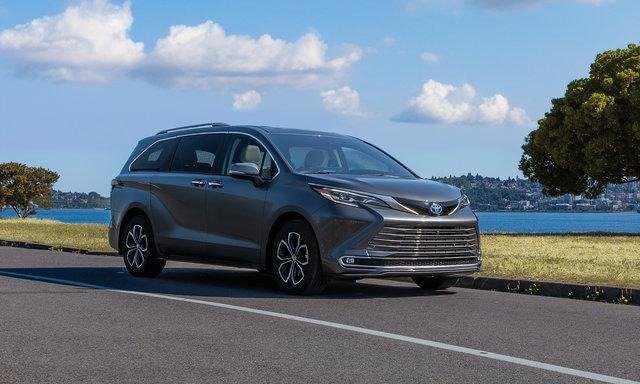
Boston’s Green Revolution: A New Era for the Boston Taxi
The transition to a greener fleet is a cornerstone of Boston’s commitment to sustainability and public health. In recent years, the municipal government has partnered with local taxi fleets to incentivize the adoption of all-electric and hybrid-electric models. This move is designed to reduce the urban heat island effect and improve air quality in densely populated neighborhoods like the Seaport and Dorchester. When you hail a Boston taxi today, you are likely stepping into a vehicle that represents the cutting edge of automotive technology. This evolution ensures that the city remains competitive on the global stage while preserving the historic charm that makes Boston unique.
- Emission Reductions: By replacing traditional gasoline-powered sedans with electric alternatives, the city is significantly cutting down on nitrogen oxides and particulate matter. This leads to cleaner air for pedestrians and cyclists who share the narrow, historic streets of the North End and Beacon Hill.
- Noise Pollution Control: Electric motors operate with minimal sound, which helps reduce the overall noise levels in busy corridors like Commonwealth Avenue. A quieter city environment contributes to a more pleasant experience for both locals living in high-traffic areas and tourists exploring on foot.
- Economic Sustainability: While the initial cost of electric vehicles can be higher, the long-term savings on fuel and maintenance allow taxi companies to stabilize their rates. These savings are often passed down to the consumer, making eco-friendly travel a budget-conscious choice for daily commuters.
Why Electric Vehicles (EVs) are the Future of the City’s Cab Service
The shift toward an electric cab service is driven by more than just environmental policy; it is also about providing a superior passenger experience. Modern EVs offer a smoother, more responsive ride because they lack the vibrations and gear shifts associated with internal combustion engines. Furthermore, the spacious interior designs of many electric models provide more legroom and trunk space for passengers. As the technology matures, the reliability of these vehicles has surpassed older models, ensuring that your ride is always ready when you are. In a city where time is of the essence, the efficiency of an electric fleet is a major advantage.
- Regenerative Braking: This technology is perfect for Boston’s stop-and-go traffic, as it captures energy during braking to recharge the battery. It makes the vehicle more efficient during rush hour on I-93, ensuring that the driver doesn’t have to stop frequently for a charge.
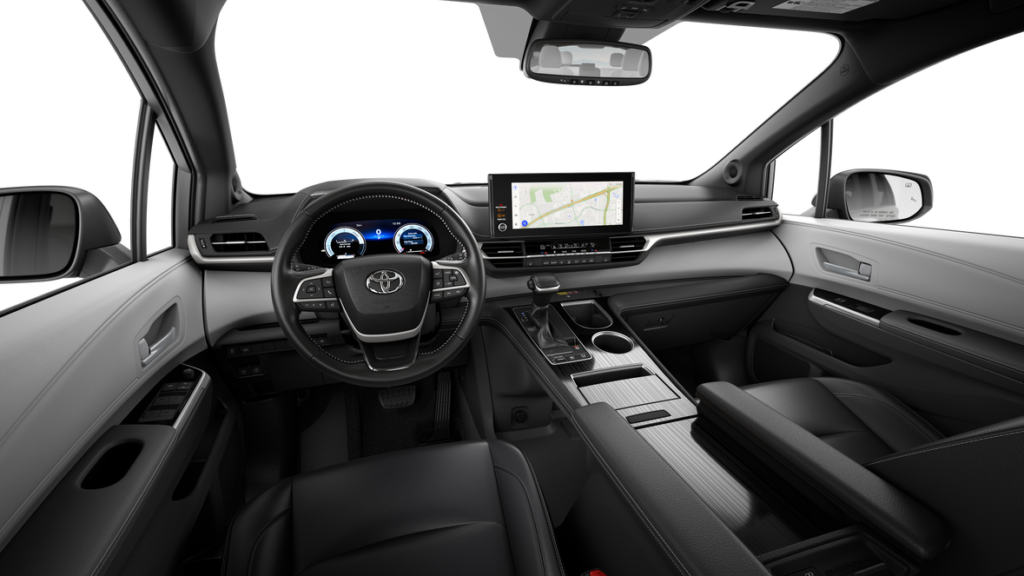
- High-Tech Amenities: Most new electric taxis come equipped with advanced infotainment systems, USB charging ports, and integrated navigation for the passenger’s view. These features turn a simple commute into a productive or relaxing environment where you can stay connected.
- Enhanced Safety Features: Electric fleets often include the latest driver-assistance technologies, such as collision warnings and automatic emergency braking. This added layer of protection gives passengers peace of mind as they navigate the complex intersections of Kenmore Square.
Seamless Airport Transfers: The Clean Way to Reach Logan International
For many travelers, their first interaction with the city begins at Logan International Airport. A dedicated airport transfer in a green vehicle sets the tone for a sustainable visit to Massachusetts. Logan has recently expanded its dedicated “Green Zones” for pickups, making it easier for passengers to find electric taxis and shuttles. These services are optimized for efficiency, utilizing flight-tracking technology to ensure your driver is waiting for you at the curb the moment you land. Whether you are heading to a hotel in the Back Bay or a residence in Wakefield, a green transfer ensures your journey is both punctual and environmentally responsible.
- Priority Pickup Zones: Logan Airport now offers designated areas for zero-emission vehicles, which are often closer to the terminal exits than standard rideshare spots. This allows travelers to skip the long walks and get on the road faster after a tiring flight.
- Fixed-Rate Transparency: Many professional services offer fixed-rate pricing for airport trips, meaning you won’t be penalized for heavy traffic in the Ted Williams Tunnel. You can book your ride with the confidence that the price you see is the price you will pay.
- Professional Dispatching: Unlike amateur rideshare drivers, professional airport taxi services use sophisticated dispatch systems to coordinate arrivals. This minimizes “deadheading” empty cars driving around which further reduces the total carbon footprint of the airport’s ground transportation.
Eco-Friendly Group Transportation: Moving More People with Fewer Emissions
When traveling with a large party, Group Transportation often presents a logistical challenge, but the rise of electric minivans and large-capacity shuttles has changed the game. Moving 10 or 15 people in a single zero-emission vehicle is far better for the environment than using three or four separate gasoline-powered cars. Boston’s taxi and charter companies have invested heavily in large electric vans that don’t compromise on comfort or luggage space. These vehicles are ideal for wedding parties, corporate events at the Convention Center, or sports fans heading to TD Garden. By consolidating your group into one green vehicle, you help decrease the city’s overall traffic congestion.
- Spacious Cabin Layouts: Large electric vans are designed with passenger comfort in mind, offering high ceilings and wide aisles for easy entry and exit. This makes them the perfect choice for corporate teams who need to discuss business while traveling between meetings.
- Zero Tailpipe Emissions: Even when fully loaded with passengers and luggage, an electric van produces no direct emissions. This is a critical factor for groups who want to align their travel habits with their organization’s environmental and social governance goals.
- Cost-Effective Sharing: Dividing the cost of a single large-capacity vehicle among a group of passengers is significantly cheaper than individual rides. It is a win-win situation where you save money while also doing your part to protect the New England environment.
Safety Meets Sustainability: Car Seats in the Modern Electric Fleet
Family travel in Boston has never been easier or safer than it is in 2026. A major priority for any parent is ensuring their children are protected, which is why many green taxi services now offer pre-installed Car Seats. Because electric minivans offer more interior volume, they are the ideal platform for securely installing infant, toddler, and booster seats. You no longer have to worry about hauling your own heavy seat through the airport or risking a ride without proper restraints. When you book a specialized Boston taxi, you can request the specific type of seat you need, ensuring your little ones are safe from the moment they buckle in.
- Certified Installations: Professional drivers are often trained to ensure that car seats are properly anchored and adjusted for different age groups. This level of expertise provides an extra layer of safety that is frequently missing in standard rideshare or public transit options.
- Cleanliness and Hygiene: Green fleets place a high priority on the maintenance and sanitization of their child safety equipment. You can expect car seats that are clean, well-maintained, and compliant with the latest Massachusetts safety regulations and standards.
- Versatile Vehicle Options: While sedans are great for solo travelers, families can opt for electric minivans that accommodate multiple car seats and strollers simultaneously. This flexibility makes it possible for the whole family to travel together without feeling cramped or unsafe.
Reducing the Carbon Footprint of Every Mile in the Hub
Every mile driven in a traditional car adds to the city’s total carbon footprint, but the shift to electric power is reversing that trend. In a city like Boston, where historical sites and natural beauty are so closely intertwined, protecting the environment is a matter of heritage. By choosing an electric cab service, you are supporting a business model that prioritizes the long-term health of the Charles River and the Boston Harbor. The cumulative impact of thousands of green taxi trips per day is staggering, leading to a measurable decrease in the city’s greenhouse gas output. This collective effort is what will allow Boston to reach its ambitious “Net Zero” goals by mid-century.
- Support for Local Goals: Every time you choose a green taxi, you are signaling to the market that sustainability matters to consumers. This encourages more drivers and companies to make the switch to electric, accelerating the city’s overall transition away from fossil fuels.
- Protection of Historic Landmarks: Reduced air pollution helps prevent the degradation of historic stone and brickwork on buildings like Faneuil Hall and the Old State House. Cleaner air means that these treasures will remain in better condition for future generations of visitors to enjoy.
- Healthier Urban Ecosystems: Lower emissions contribute to healthier city parks and greenways, such as the Rose Kennedy Greenway and the Public Garden. When the air is cleaner, the local flora and fauna can thrive, creating a more vibrant urban landscape for everyone.
Charging Ahead: How Boston is Building the Infrastructure for EVs
A successful electric Boston taxi system depends on a robust network of charging stations. Over the past year, the city has installed hundreds of high-speed “Level 3” chargers specifically for commercial use. These hubs are strategically located near major transit points, such as South Station and the Seaport District, allowing drivers to top off their batteries during breaks. This infrastructure development is a public-private partnership that ensures green taxis spend more time on the road and less time waiting for a charge. As the network expands, the range anxiety that once hindered the adoption of EVs has become a thing of the past for professional drivers.
- Smart Grid Integration: Many of the city’s new charging stations are powered by renewable energy sources, such as offshore wind and solar. This means that the electricity used to power your taxi is just as green as the vehicle itself, creating a truly circular energy economy.
- Rapid Charging Technology: The latest “Superchargers” can provide an 80% charge in under 30 minutes, which fits perfectly into a driver’s natural workflow. This high level of efficiency ensures that there is always a green cab available, even during the busiest times of the day.
- Incentives for Private Hubs: The city also offers grants to taxi companies that install their own charging depots, further strengthening the fleet’s resilience. This decentralized approach to charging means that vehicles are distributed across all neighborhoods, not just the downtown core.
The Benefits of Choosing a Green Cab Service for Your Next Trip
Ultimately, the decision to use an electric Boston taxi comes down to quality and reliability. When you choose a professional service over a generic app, you are getting a driver who is an expert in the city’s geography and committed to high standards of service. These drivers take pride in their modern, clean vehicles and understand the importance of being on time for your airport transfer or business meeting. By combining traditional professional standards with futuristic green technology, Boston’s taxi industry has reinvented itself for the modern age. Your next trip across town can be comfortable, fast, and completely guilt-free.
- Expert Local Knowledge: Professional taxi drivers know the secret “ins and outs” of Boston that GPS often misses, such as which side streets avoid school bus traffic. This human expertise, combined with a quiet electric ride, makes for the most efficient travel experience possible.
- Supporting Local Jobs: Unlike many Silicon Valley-based apps, local taxi companies are deeply rooted in the Boston community. By using their services, you are supporting local families and contributing to the economic vitality of the neighborhoods where you live and work.
- Peace of Mind: There is a certain satisfaction in knowing that your travel choices are aligned with your values. Whether you are a local resident or a visitor, choosing green transportation allows you to enjoy everything Boston has to offer without leaving a heavy footprint behind.
Travel Tips
- Logan Airport “Green” Arrival: Look for “Green Transportation” signs at your terminal for priority electric Boston taxi pickups that are much closer to the exits than rideshare hubs.
- FIFA World Cup 2026 Logistics: Avoid stadium traffic by booking group transportation or a cab service to a designated lot at least three hours before kickoff.
- Fenway Park “Away-Side” Hack: Walk a few blocks away to Commonwealth Avenue to flag a taxi faster and avoid the massive post-game crowds in Kenmore Square.
- Booking with Car Seats: Always request a vehicle with pre-installed car seats in advance to ensure your children are safe and legally secured without carrying your own equipment.
- Seaport Group Travel: Use high-capacity electric vans for group transportation to access commercial loading zones and bypass the Seaport’s severe lack of public parking.
How to Book Your Electric Taxi Ride
Ready for green Boston taxi travel? Download the official app or call dispatch for instant bookings. Enter your Logan flight number for airport transfer tracking drivers adjust automatically for delays.
Request car seats during booking; confirmation texts include photos of installed seats. Group transportation quotes arrive within 60 seconds. Flat rates apply regardless of electric savings transparency builds trust.
Loyalty members earn free rides after 10 trips. Corporate accounts get dedicated EV fleets for events. Night owls appreciate 24/7 service with night-vision dash cams.
Conclusion: Driving Boston Toward a Greener Horizon
As we look toward the final half of this decade, it is clear that the Boston taxi is more than just a way to get from point A to point B; it is a vital player in the city’s ambitious journey toward carbon neutrality. By embracing the 2030 Climate Action Plan and integrating state-of-the-art electric vehicles into daily operations, the local transportation industry is proving that tradition and innovation can ride together. Whether you are a local commuter or a visitor arriving for the 2026 World Cup, choosing a green cab service is a powerful statement in support of cleaner air, quieter streets, and a healthier New England.
The evolution of the fleet also ensures that practical needs are never sacrificed for sustainability. With the rise of electric SUVs and minivans, Group Transportation has become more efficient and comfortable than ever, allowing large parties to travel together without the heavy carbon footprint. Furthermore, the specialized focus on safety including the easy availability of pre-installed Car Seats means that even the youngest travelers can enjoy the benefits of a modern, eco-friendly ride. Next time you need an airport transfer from Logan or a reliable lift through the heart of the city, consider the impact of your choice. By opting for an electric ride, you aren’t just skipping the traffic you’re helping to preserve the historic beauty of Boston for generations to come. The future of the Hub is electric, and it’s waiting for you at the curb.
Frequently Asked Questions (FAQs)
1. Are electric taxis more expensive than regular taxis in Boston?
No, electric taxis in Boston generally follow the same regulated meter rates as traditional vehicles. In many cases, because they cost less to maintain and fuel, companies can offer more competitive flat rates for long-distance trips or airport transfers without the surge pricing seen on other apps.
2. How can I specifically request an electric Boston taxi?
You can request a green or electric vehicle through most major taxi booking apps or by calling a dispatch center directly. Many companies now have a “Green Class” option that specifically assigns an EV or high-efficiency hybrid to your pickup location.
3. Do electric taxis offer enough space for Group Transportation?
Yes, the latest generation of electric minivans and SUVs used in Boston fleets is designed with maximum interior space. These vehicles can easily accommodate large groups and their luggage, often providing more room than older gasoline models due to the flat-floor design of EV platforms.
4. Can I get a car seat in an electric taxi?
Absolutely. Many green taxi services prioritize family safety and offer pre-installed Car Seats upon request. It is always best to mention the age and weight of your child during the booking process so the driver can arrive with the correctly sized seat already installed.
5. Is the charging time of electric taxis a problem for reliability?
Not at all. Boston’s extensive network of high-speed chargers allows drivers to recharge quickly during off-peak hours. Additionally, professional fleets manage their vehicles’ battery levels through centralized dispatching to ensure there is always a fully charged car ready for your request.
6. Are electric airport transfers available 24/7?
Yes, green airport transfer services operate around the clock to meet the needs of all flight schedules. Because electric vehicles are quieter, they are also the preferred choice for late-night or early-morning pickups in residential neighborhoods where noise ordinances are in place.
7. Do electric taxis perform well in Boston’s winter weather?
Modern EVs are built to handle New England winters effectively. While cold weather can slightly reduce battery range, professional drivers are trained to manage their power levels, and the vehicles’ advanced heating systems ensure that passengers remain warm and comfortable even in a snowstorm.
8. Can I use a credit card to pay for my green cab service?
Yes, all licensed Boston taxis are required to accept major credit cards. Most electric vehicles feature integrated payment screens in the back seat, allowing for a contactless and secure transaction at the end of your journey.
9. Are there electric taxis available for trips outside of Boston?
Yes, many services offer long-distance trips to surrounding areas like Cambridge, Quincy, or even the North Shore. Electric vehicles have more than enough range for these regional trips, and the smooth ride makes them ideal for longer commutes.
10. Why is a taxi better than a rideshare for green travel?
Licensed taxis often have access to dedicated lanes and airport stands that rideshare vehicles do not. This means a taxi can often get you to your destination faster with less idling time, which maximizes the environmental benefits of the electric motor.